In February of this year, VDC Strategy published a piece on the impact of the memory supply shortage on pricing. Since then, memory costs have remained elevated and the pricing and availability impact is now also expanding to SSDs and processors. RAM pricing (which had spiked dramatically, in some cases more than five times) is now stabilizing at its increased price as new supply gets built out. Expectations have changed from extreme increases to moderate adjustments going forwards. It is not yet returning to 2024/2025 pricing, and is not expected to for several years. Nevertheless, the original RAM shock looks to be moderating.
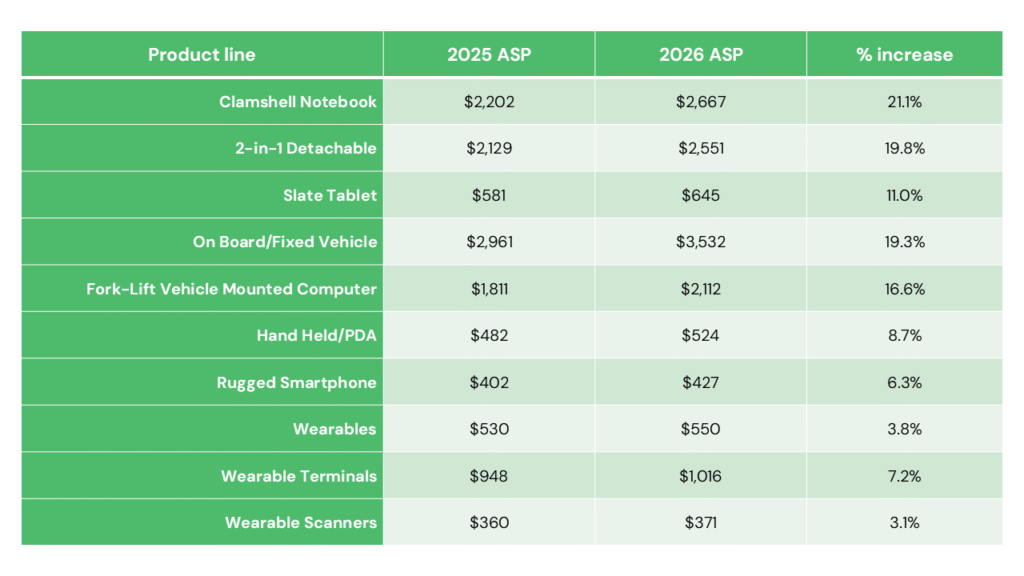
Figure 1: VDC Strategy Mobile Hardware Dataset 2026 ASP Forecast by Product
High memory costs will continue to impact 2026 and 2027 pricing. The challenging factor is how many OEMs are still working through inventory that was purchased under completely different cost assumptions. Furthermore, the component costs situation is no longer just about RAM. Other parts of the bill of materials are becoming more problematic.
Solid state drives are an immediate concern. SSD cost increases are severe. Some configurations have risen multiple times more than normal pricing levels. It is now volatile enough that some vendors are treating it as a surcharge rather than changing the base unit price itself. They are doing this because surcharges give them a way to detach model prices from a rapidly changing component input cost. Surcharges also signal to customers that pricing will remain dynamic and help to communicate real-time options.
In addition, processor availability is becoming more complicated. High-demand processors from Intel and others are becoming inaccessible for small OEMs to access. High volume OEMs and hyperscalers are better positioned to secure the supply during this capacity crunch. Therefore, lower-volume OEMs’ products are getting less predictable access to the processors they need, which creates a strategic challenge beyond pricing, given that a product cannot be sold if a processor is not available.
The next phase of managing the supply crunch is configuration changes. This type of forced configuration reduction is described as “decontenting,” where OEMs remove, downgrade, or defer certain components. In many cases, OEMs will have no choice but to steer customers toward available processors, lower memory, and storage combinations for the sake of avilability. Some are even recommending purchases of lower configurations with modular hardware that support upgradable components. This is increasingly seen as a way to postpone paying the higher expense of memory and storage until they are cheaper and can be swapped in at more affordable costs.
This is a difficult operating environment for all, but it is easier for vendors with strong supplier relationships and aforementioned flexible product architectures. It also favors those who can lean on software, services, and support to protect margin rather than passing on all price increases to customers. As such, smaller OEMs must maintain their discipline in SKU planning. It is evident that maintaining too many low-price configurations in this supply environment will become increasingly difficult.
Ultimately for customers, waiting for component costs to fully normalize may not be realistic. In purchasing decisions, it is necessary to understand which configurations are impacted, which alternatives are acceptable, and the interplay between urgency and budget.
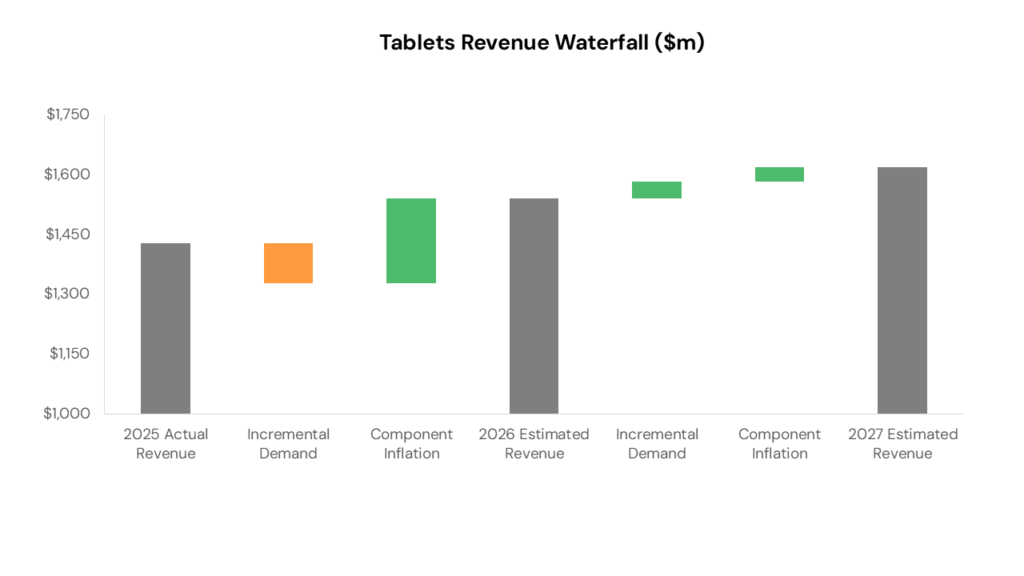
Figure 2: VDC Strategy Tablet 2026/2027 Revenue Build
As shown above, VDC expects elevated ASPs over the next 18 months across all major product lines. For example, the Total Rugged Tablet market2 is impacted not only by component price changes in 2026 but also discontenting as the market seeks to balance supply and demand towards a more steady state in coming years. For 2027, VDC only expects an incremental continuation in cost inflation, bringing certainty back to buying decisions and lifting demand again. For detailed forecasts, see VDC Strategy’s annual Mobile Hardware Dataset for 2026.