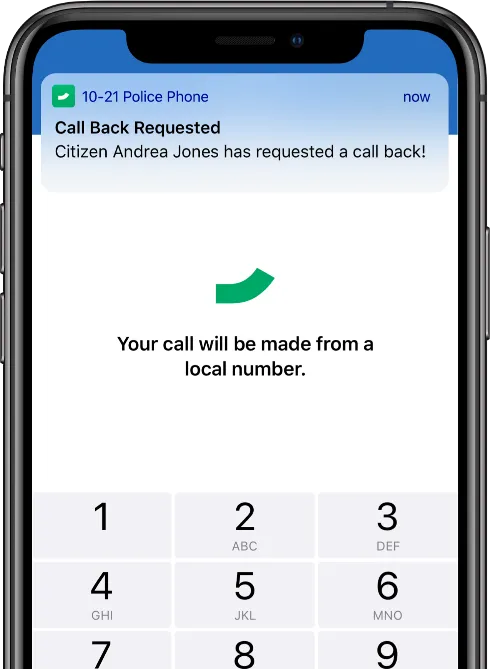
Figure 1: 10-21 Police Phone Facilitates Effective Officer-Civilian Communications
This move by Motorola Solutions follows its acquisitions of both Avigilon, a fixed video platform with a strong software and analytics ecosystem, and top public safety in-car and wearable camera vendor WatchGuard over the last couple of years. More recently, they have also bought California-based video security solutions provider Pelco and Scotland-based end-to-end video security solution provider IndigoVision. With Callyo, the company strengthens its venture into camera-based solutions.
Across the public safety landscape, especially within police agencies, the implementation of camera-based solutions represents a strong technological shift. This trend is driven both by the growing cultural and regulatory demand for greater officer accountability and agencies’ need for improved situational awareness and communications capabilities in the name of enhanced officer safety. Although the footprint of dedicated body cam and in-vehicle dash cam solutions is strong and growing as a result of these pressures, VDC finds that related decision makers and end users alike harbor some reluctance about adding new pieces of technology into an officer’s work environment.
The sentiment that officers are already and increasingly inundated with too much equipment is a common one. Callyo’s complimentary offerings help Motorola Solutions expand its camera-based portfolio while catering to such concerns – many of the SaaS company’s solutions require no special equipment, just a commonly equipped smartphone (Figure 2). The 10-21 Police Phone app helps officers avoid burner phones to communicate with civilians by way of a separate and localized number on their smartphone, and 10-21 Video allows them to use that same smartphone as a real-time video-streaming situational awareness tool with their fellow first responders. As frontline officers continue to become more mobile in terms of their smartphone-wielding computing capabilities, the ability to avoid extra equipment is a major draw.
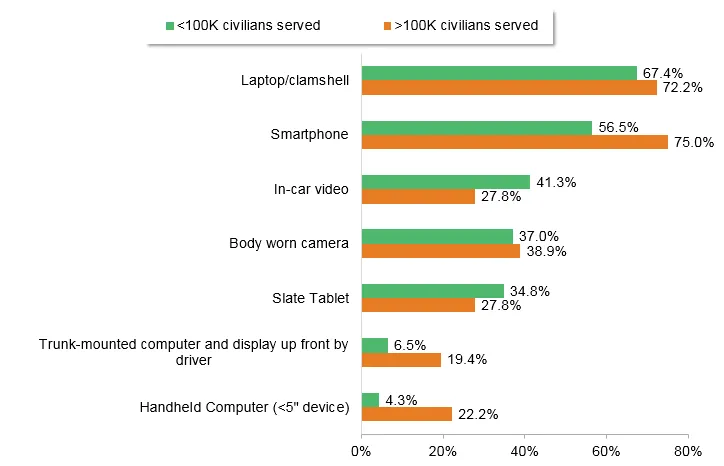
Source: The Future of Police Fleet Computing, VDC Research 2019
Traditionally a two-way radio hardware player, Motorola Solutions has aggressively diversified its public safety portfolio across its Command Center Software Suite, video security and analytics solutions, public safety LTE offerings and managed and support services in previous years. With the acquisition of Callyo and other recent buys such as Pelco and IndigoVision, that trend carries on. This is not an uncommon move among hardware players in this space, which continues to modernize and become more competitive on the mobile computing front as older generations of officers retire out of service to be replaced by younger, more tech-savvy and mobile-demanding officers.
To learn more about the enterprise mobile computing dynamics in public safety environments, download the executive brief of VDC’s 2019 The Future of Police Fleet Computing report.